The Ecological Effect of Various Fences in Melbourne
Introduction
Fencing serves numerous purposes in residential and business properties, from specifying borders to providing security and personal privacy. But have you ever considered the ecological effect of the various kinds of fences? In Melbourne, the option of fencing materials and styles can significantly influence not only aesthetics but likewise ecology. This short article looks into the ecological ramifications of different fence types frequently seen throughout Melbourne, illuminating how your choice effects regional ecosystems and sustainability.
The Environmental Impact of Different Fences in Melbourne
When considering a brand-new fence installation, it's essential to look beyond simple aesthetics or function. The environmental effect is a vital factor that should have factor to consider. In this section, we will explore how various fencing materials impact our environment.
1. Timber Paling Fences: Pros and Cons
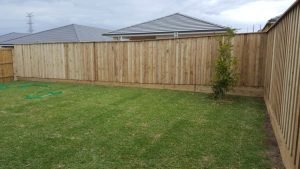
Timber paling fences prevail in Melbourne's suburbs. They offer a rustic beauty while being fairly affordable. Nevertheless, wood production poses numerous environmental concerns.
1.1 Sustainability of Lumber Sources
The primary concern with timber paling fences is sustainability. While some wood comes from responsibly handled forests, a considerable amount is sourced from deforested locations, leading to environment destruction.
1.2 Carbon Footprint
Timber soaks up co2 throughout its growth phase, serving as a carbon sink. Nevertheless, once gathered and processed into fencing product, its carbon footprint increases due to transportation and production processes.
2. Colorbond Fences: An Environment-friendly Alternative?
Colorbond fences have actually acquired popularity due to their resilience and variety of colors. But are they environmentally friendly?
2.1 Product Composition
Colorbond fences are made from steel covered with zinc and paint, which suggests they require substantial energy for production. Nevertheless, they can be recycled at the end of their life cycle.

2.2 Longevity
One benefit of Colorbond is its durability compared to timber options. A longer life expectancy translates to less regular replacements, lowering waste over time.
3. Aluminium Blade Fences: Lightweight Yet Impactful
Aluminium blade fences offer a streamlined contemporary look however featured their own set of ecological considerations.
3.1 Resource Extraction
The extraction procedure for aluminium can be ecologically destructive due to habitat interruption and energy intake associated with mining bauxite ore.
3.2 Recyclability
On the benefit, aluminium is extremely recyclable without quality degradation, making it an excellent alternative for sustainable fencing when correctly disposed of.
4. Aluminium Slat Fences: Modern Design Fulfills Functionality
Aluminium slat fences are progressively popular among homeowners seeking modern-day visual appeals without compromising on functionality.
4.1 Environmental Footprint
While the production procedure shares resemblances with other aluminium products, slat styles often utilize less material than strong equivalents, which could minimize resource usage overall.
4.2 Upkeep Needs
These fences require very little upkeep compared to wood alternatives-- saving both time and resources throughout their lifespan.
5. Tubular Metal Fences: Security with Style
Tubular metal fences supply security without sacrificing visual appeal; nevertheless, they raise questions about their ecological impact.
5.1 Energy-Intensive Production
The manufacturing process for tubular metal can be energy-intensive but similar to other metals; these structures often last longer than wood or vinyl alternatives.
5.2 Recycling Potential
Like other metal products, tubular metal can be recycled effectively at the end of its life process-- an important factor when https://louiscenr602.wpsuo.com/how-to-achieve-aesthetic-harmony-with-garden-and-fence-design-in-melbourne-residences thinking about long-lasting sustainability.
6. Picket Fences: Nostalgia or Neglect?
Picket fences stimulate nostalgia but may include concealed ecological costs.
6.1 Material Options Matter
Traditional wood picket fences might involve unsustainable wood sourcing practices; selecting treated or composite materials may alleviate these concerns significantly.
6.2 Upkeep Implications
Wood requires routine maintenance (painting/staining), requiring additional resources gradually that contribute further to its ecological footprint.
7. Glass Fences: A Clear Point Of View on Sustainability
Glass pool fencing has actually become stylish for its aesthetic appeal; however, it deserves examining its sustainability credentials closely.
7.1 Resource-Intensive Production Process
The development of glass involves substantial energy intake during manufacturing; so far fewer companies provide environmentally friendly glass services in Melbourne's market today.
7.2 Durability Factor
Glass provides resilience versus weather condition elements while providing unblocked views-- nevertheless it is very important to think about disposal issues at end-of-life cycles given that glass can be tough to recycle entirely without specialized centers offered nearby!
8: Pool Fences: Security vs Environmental Concerns
Pool security policies mandate specific types of fencing around swimming pools-- and many property owners might question possible environmental effects associated with this necessity?
8:1 Choice Matters!
Choosing sustainable products like recycled aluminum or bamboo can help balance security requirements along with minimizing unfavorable results on our environment!
9: Privacy Fences: Balancing Seclusion and Sustainability
Privacy is paramount for numerous Melbourne citizens-- however how do different products accumulate environmentally?
9:1 Sustainable Options Exist
Opting for natural materials such as bamboo instead of conventional lumber provides greater sustainability advantages while preserving desired levels personal privacy within outside spaces!
(Continue this format for each subsequent area heading.)
FAQs
Q1: What is the most environment-friendly kind of fence in Melbourne?
A: Normally speaking, bamboo or recycled composite products tend to have much better sustainability profiles compared to conventional timbers or metals-- making them perfect options for environmentally-conscious homeowners!Q2: The length of time do Colorbond fences usually last?
A: With proper installation & & maintenance practices observed-- they can last up-wards thirty years-- providing resilience that offsets preliminary resource costs sustained throughout production phases as well!Q3: Exist any policies I ought to know before setting up a fence?
A: Yes! Regional councils typically impose height restrictions & & particular material requirements depending on home zoning classifications-- it's important seek advice from relevant authorities before moving on planning installations!Q4: Can I recycle my old fence?
A: Depending on material structure-- you may find recycling options readily available! For instance metals like color-bonded steel or aluminum blades are normally accepted at scrap yards-- however always double-check standards in advance just ensure compliance!Q5: Is it worth investing more money into environmentally friendly fencing solutions?
A: Definitely! Although upfront expenses may appear greater-- long-term benefits connected with decreased maintenance requires & & decreased environmental footprints eventually make them rewarding financial investments overall!Q6: What should I consider when working with fence builders in Melbourne? A: Watch out accreditations related sustainable practices alongside experience working specific types selected materials so make sure quality setups offered align expectations described initially throughout project scope undertaken!
Conclusion
In conclusion, when thinking about "The Ecological Impact of Different Fences in Melbourne," it's clear that your option carries weighty consequences-- not simply aesthetically however ecologically too! By comprehending the subtleties surrounding different fencing options-- from timber paling fences through aluminum slats-- you empower yourself towards making notified choices reflective not entirely personal choices however likewise wider neighborhood goals worrying sustainability efforts needed maintain our lovely planet long-term!
As you browse through your choices for fencing professionals in Melbourne think about not only what looks good within your property lines but also believe seriously about lasting implications choices hold future generations ahead-- they depend us making responsible choices today!